Cyd K
It was a great experience. All my questions were answered and U feel like they truly cared about me as a patient, not just a “customer”.
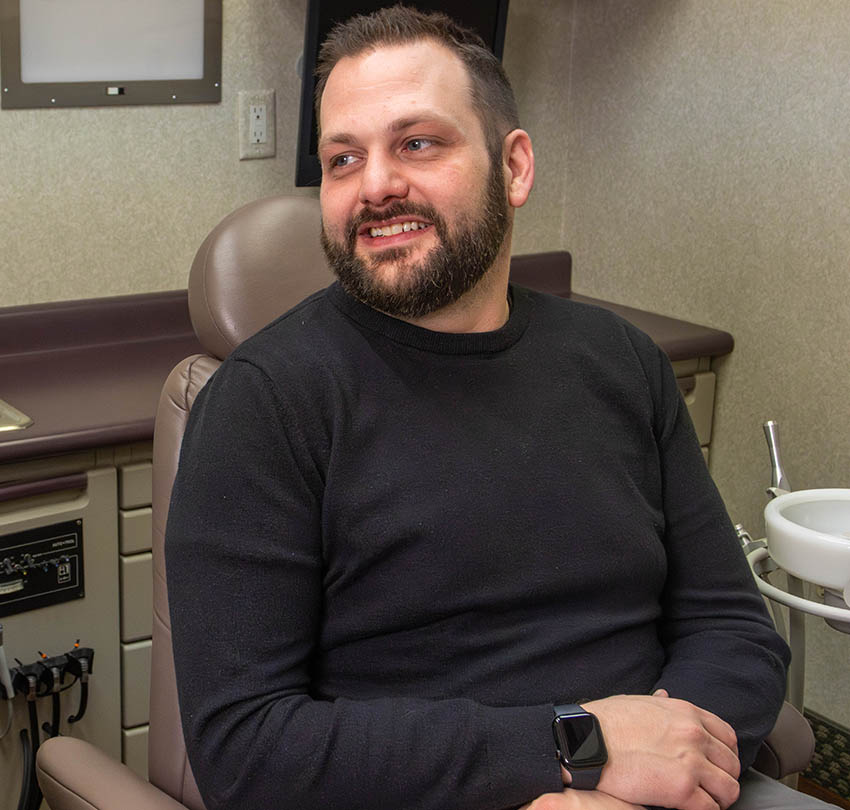
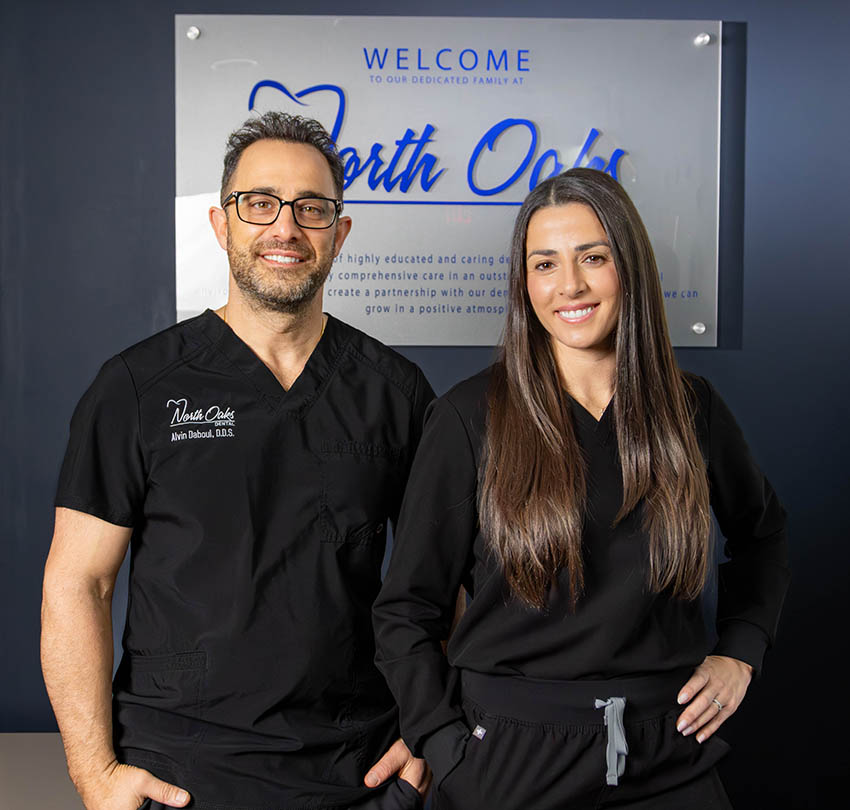
Our experienced dental team understands exactly what high blood pressure means for your care. We don’t rush past your health history or treat hypertension as a minor detail. We build your entire treatment plan around it. From your first visit, you’ll get thoughtful, informed treatment that keeps your cardiovascular health protected at every step. Our dentistry for patients with high blood pressure in Rochester Hills gives you:
Call our office today at 248-654-8484 to schedule an appointment.
High blood pressure doesn’t take a break when you sit down in the dental chair. In fact, for some patients, that’s exactly when it becomes harder to manage. The anticipation of a procedure can push readings higher. Certain anesthetics can interfere with how your medications work. Plus, some of the most commonly prescribed blood pressure medications come with oral side effects that need consistent attention.
Our team treats your hypertension as an active part of your dental care plan. We’ll stay aware of your condition and plan around it every single visit. Here’s what you can count on from our team:
You shouldn’t have to choose between getting the dental care you need and protecting your heart. We make sure you don’t have to.
Call North Oaks Dental today at 248-654-8484 to get dentistry for patients with high blood pressure in Rochester Hills.
It was a great experience. All my questions were answered and U feel like they truly cared about me as a patient, not just a “customer”.
My first visit & consultation was very impressive, the staff was very thorough and knowledgeable, about my TX plan. And they offer multiple financial payment options. I’m looking forward to my new and improved smile. …
The office staff and Doctors are wonderful
Great happy friendly people with great service. They make sure you are comfortable.
Great people and service
HIGHLY RECOMMEND Anyone looking for a dentist. The dentist,hygienist to the front desk are WONDERFUL! They are gentle to cleaning your teeth to having work done on your teeth.
Excellent care with my special needs grandson, kind and caring! Thankyou so much for your patience, see you in October! …
I have nothing but good things to say about the team at North Oaks. I was really nervous to get some work done and they talked through the entire procedure, made sure it was painless, and kept things moving smoothly. Dr. Karmo and Shelby both did a great job and have helped lower my anxiety for follow up appointments.
All of the staff at North Oaks Dental were very professional, kind and calming. I get very anxious at the dentist and they spent time making sure I was okay. They worked with me on the right goals and treatment for me. I would highly recommend them.
I love my dentist and the staff everyone thus far has been professional and friendly
Extremely courteous and informative
Amazing service!
My kids have been patients at North Oaks Dental since they were really little, as has the rest of our family. They always look forward to visiting the dentist. The office is immaculate, and everyone is so friendly and professional. Every dental hygienist is excellent, I’m sure, but Maha and Klaudia have been our regulars for years, and we adore them! We appreciate you taking such good care of our teeth!
So thankful for North Oaks! I had a dental emergency, they got me in right away. Always caring, gentle and up to date on the newest technology.
I’ve been a patient for years, my daughter sees the orthodontist, my husband, and both my sisters are also patients. I recommend them to everyone.
I elected to have anesthesia for a molar extraction. Everything was done to keep me comfortable and calm. Julie is an amazing and comforting anesthesiologist. I am now comfortable at home. All scripts were given to me early, several calls to let me know what to expect. I had no running around to do today. Just had to follow directions to feel well
High blood pressure affects your dental care. It influences which anesthetics are safe, how your body handles procedural stress, and what oral side effects your medications may cause. Your dentist factors this into your care plan from the start. We design your treatment built specifically around your cardiovascular health.
Several common blood pressure medications are associated with oral side effects. Calcium channel blockers can cause gum tissue to thicken over time. Diuretics and ACE inhibitors often lead to dry mouth, which raises your cavity risk. Beta blockers can also contribute to dry mouth in some patients.
Yes, it’s important to tell your dentist about blood pressure medications and to keep that list current. These medications can interact with dental anesthetics and affect how your body responds to treatment. Knowing what you take helps us make safer choices about your care. Bring an updated medication list to every appointment, including any supplements or over-the-counter medications you use regularly.