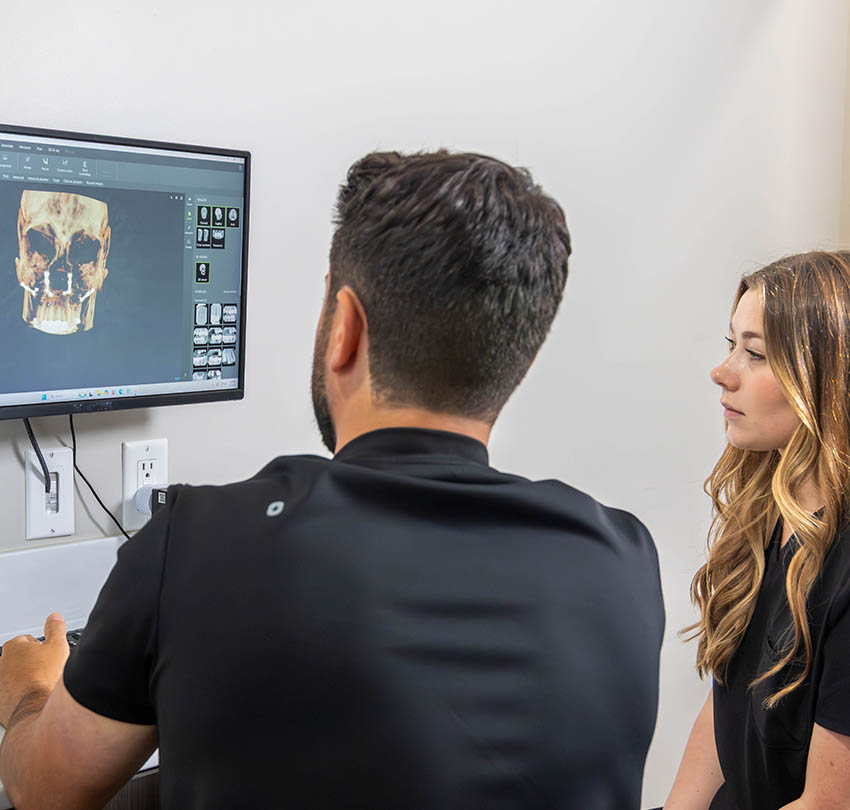
Complex dental problems rarely exist in neat, separate categories. A patient may have missing teeth in one area, worn or damaged teeth in another, older restorations that need attention, and cosmetic concerns that affect the teeth visible when smiling. When several issues overlap, treating them independently may overlook opportunities to create a stronger overall result. Think bigger about dental care, and the focus shifts from fixing the next problem to planning how your entire smile can function and look when treatment is complete. At North Oaks Dental, comprehensive treatment planning can bring multiple forms of advanced care into one coordinated strategy.

Start With the Finished Smile

In a complicated case, the order of treatment matters.

For example, imagine that someone wants veneers on several front teeth but also needs missing back teeth replaced. Restoring proper support and function in the back of the mouth may influence decisions about the front teeth. Likewise, a patient interested in dental implants may need bone grafting before an implant can be placed.

Rather than asking, “Which tooth should we fix first?” comprehensive planning asks broader questions:

  • Which teeth can predictably be preserved?
  • Are any teeth too compromised to restore?
  • Where are teeth missing, and how should they be replaced?
  • Is there adequate bone to support planned dental implants?
  • Which existing restorations need to be addressed?
  • Are cosmetic changes part of the patient’s desired outcome?
  • How should different procedures be sequenced?

Those answers can help turn what initially feels like an overwhelming collection of problems into an organized plan.

Different Treatments Can Serve One Goal

Comprehensive care doesn’t mean every patient receives every available procedure. Quite the opposite: sophisticated planning helps identify which treatments are actually necessary.

One area of the mouth might benefit from a crown, while a missing tooth elsewhere could be replaced with an implant. Another tooth may require removal because it cannot be predictably restored. If significant tooth loss affects an entire arch, a full-arch solution may make more sense than approaching each space individually.

Cosmetic considerations can also be incorporated when appropriate. If restorative treatment will change several visible teeth, planning their proportions, shape, and appearance as part of the larger case can help create a more cohesive result.

The individual procedures may be different, but they should all move toward the same destination.

Sequence Can Be Just as Important as Selection

Knowing what needs to happen is only part of advanced dental planning. Your dentist must also determine when each stage should happen.

Bone grafting, for instance, may need time to create a suitable foundation before certain implant procedures move forward. Teeth that cannot be saved may need to be removed at a particular point in the process. Temporary restorations may sometimes play a role while later stages are being completed.

Some complex cases therefore unfold over a series of carefully planned appointments rather than one dramatic treatment day.

That staged approach has an advantage: each phase can prepare the mouth for what follows. You also have a clearer understanding of why a particular procedure is being recommended and how it contributes to the final outcome.

Move Beyond the Patchwork Approach

People with extensive dental needs sometimes spend years reacting to one problem at a time. A tooth hurts, so they address it. A restoration fails, so they replace it. Another tooth becomes difficult to chew with, and attention shifts there next.

Eventually, dentistry can begin to feel like an endless series of repairs.

A comprehensive evaluation offers a different perspective. It allows you and your dentist to step back, assess the condition of your entire mouth, discuss priorities, and develop a plan around where you want to end up—not merely what needs attention today.

If your dental needs have become too extensive for another isolated fix, contact North Oaks Dental to schedule a consultation. When several problems are competing for attention, it may be time to think bigger and create a plan for your smile as a whole. For an appointment, you can schedule online or call: