Cyd K
It was a great experience. All my questions were answered and U feel like they truly cared about me as a patient, not just a “customer”.
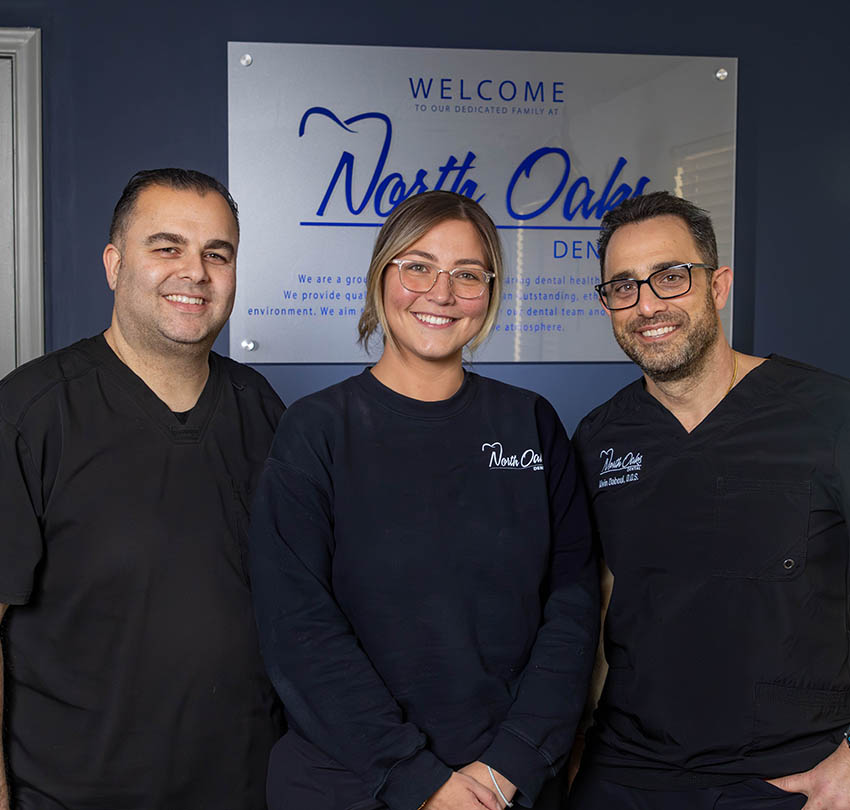
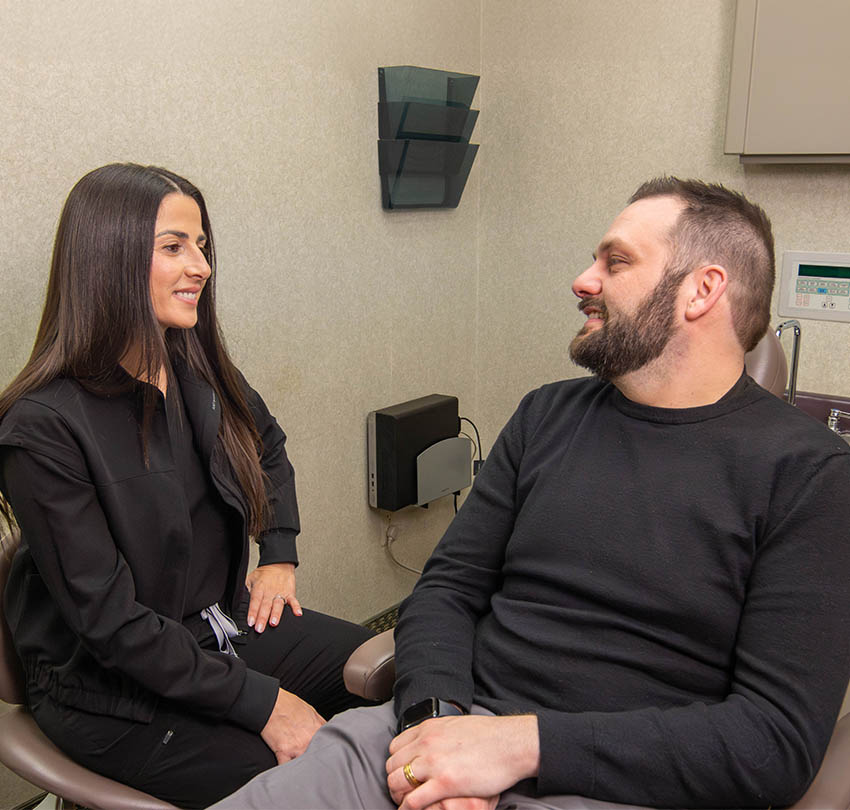
When you have diabetes, your oral health needs more than a routine checkup. Bacteria, inflammation, and slow healing all hit harder when blood sugar is involved. Our experienced team provides dental care for patients with diabetes in Rochester Hills that’s built specifically around your needs. We look beyond your teeth and factor in your full health picture at every visit. Here’s what we provide:
Call our office today at 248-654-8484 to schedule a thorough dental exam and cleaning.
There is a reason dentists pay close attention to diabetes. The condition affects nearly every part of the body, and the mouth is no exception. When blood sugar runs high, the bacteria in your mouth get a better environment to grow. Your gums become more vulnerable and your saliva production can drop. Plus, your body loses some of its ability to fight off infection.
Our team factors all of that into the care we provide. Your treatment isn’t based on a standard checklist. Rather we consider your health history, your current medications, and where your diabetes management stands right now.
We support our patients with diabetes in several key ways:
Visit us to get dental care for patients with diabetes in Rochester Hills. Call our office today at 248-654-8484 to schedule an appointment.
It was a great experience. All my questions were answered and U feel like they truly cared about me as a patient, not just a “customer”.
My first visit & consultation was very impressive, the staff was very thorough and knowledgeable, about my TX plan. And they offer multiple financial payment options. I’m looking forward to my new and improved smile. …
The office staff and Doctors are wonderful
Great happy friendly people with great service. They make sure you are comfortable.
Great people and service
HIGHLY RECOMMEND Anyone looking for a dentist. The dentist,hygienist to the front desk are WONDERFUL! They are gentle to cleaning your teeth to having work done on your teeth.
Excellent care with my special needs grandson, kind and caring! Thankyou so much for your patience, see you in October! …
I have nothing but good things to say about the team at North Oaks. I was really nervous to get some work done and they talked through the entire procedure, made sure it was painless, and kept things moving smoothly. Dr. Karmo and Shelby both did a great job and have helped lower my anxiety for follow up appointments.
All of the staff at North Oaks Dental were very professional, kind and calming. I get very anxious at the dentist and they spent time making sure I was okay. They worked with me on the right goals and treatment for me. I would highly recommend them.
I love my dentist and the staff everyone thus far has been professional and friendly
Extremely courteous and informative
Amazing service!
My kids have been patients at North Oaks Dental since they were really little, as has the rest of our family. They always look forward to visiting the dentist. The office is immaculate, and everyone is so friendly and professional. Every dental hygienist is excellent, I’m sure, but Maha and Klaudia have been our regulars for years, and we adore them! We appreciate you taking such good care of our teeth!
So thankful for North Oaks! I had a dental emergency, they got me in right away. Always caring, gentle and up to date on the newest technology.
I’ve been a patient for years, my daughter sees the orthodontist, my husband, and both my sisters are also patients. I recommend them to everyone.
I elected to have anesthesia for a molar extraction. Everything was done to keep me comfortable and calm. Julie is an amazing and comforting anesthesiologist. I am now comfortable at home. All scripts were given to me early, several calls to let me know what to expect. I had no running around to do today. Just had to follow directions to feel well
Dental care for diabetes is treatment that accounts for how diabetes affects your mouth, gums, and healing ability. Standard dental care doesn’t always factor in blood sugar levels, medication schedules, or inflammation risks. We build every treatment plan around your diabetes for effective care that helps optimize your total body health.
High blood sugar affects your mouth by reducing saliva production, which raises your cavity risk. It also weakens your immune response, making it easier for bacteria to infect your gums. Over time, this increases your risk of gum disease and tooth loss. It also causes slow healing after dental procedures.
Common signs of gum disease include red or swollen gums, bleeding when you brush or floss, persistent bad breath, and gums that appear to be pulling away from your teeth. However, gum disease doesn’t always cause noticeable symptoms in its early stages. Regular dental evaluations are the most reliable way to catch it early.